Layla and Majnun
The Arabian love story told for centuries. Layla and Majnun is a 7th-century Arabian love story of the poet Qays and his beloved Layla, retold for centuries and still loved today.
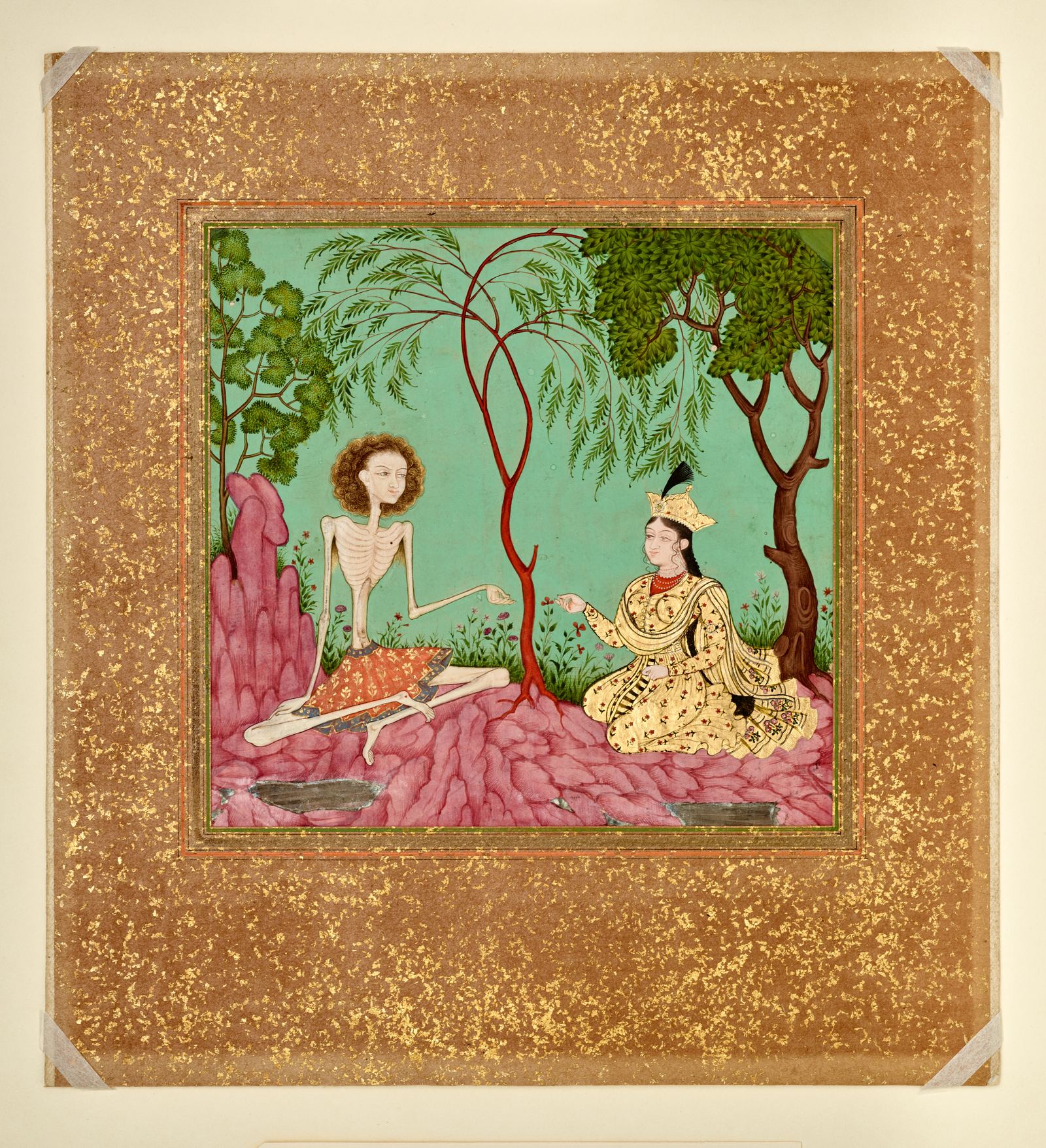
Layla visits Majnun: anonymous, CC0
A poet who loved too much
Layla and Majnun is one of the oldest and most famous love stories in Arabic literature. It tells of Qays ibn al-Mulawwah, a young poet of the 7th century from Najd in the Arabian Peninsula, and Layla al-Amiriyah, the girl he loved from childhood.
When they grew up, Layla's father refused to let them marry. Qays could not stop loving her. He wandered the desert reciting poems about Layla, and people began calling him Majnun, the one driven mad by love.
A story that travelled
Early versions survived as short tales and verses. In 1188 the Persian poet Nizami Ganjavi turned them into a long narrative poem, and from there the story spread into Persian, Turkish and Indian literature, painting and music.
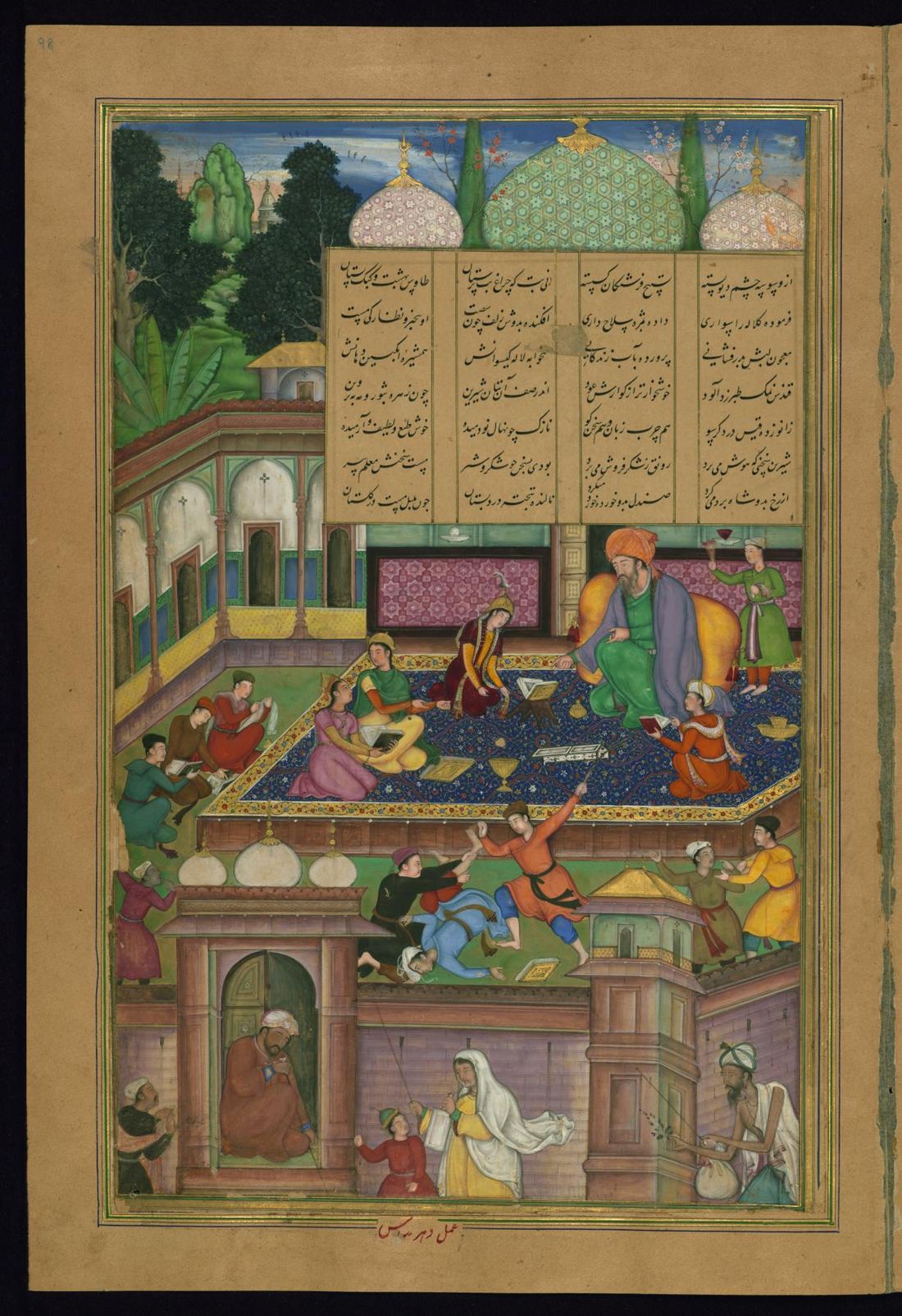
Artists painted the lovers again and again, from their first meeting at school to Layla visiting Majnun in the wilderness surrounded by wild animals who had become his only friends. The story even reached rock music: Nizami's version inspired the 1970 song Layla.
Why it still matters
Layla and Majnun is often compared to Romeo and Juliet, though it is centuries older. Its message is simple and painful: true love can be stronger than family, pride or distance.
In Arabic, calling someone Majnun Layla, Layla's madman, still describes a person completely lost in love.
Layla and Majnun in art
Few stories have been painted as often as Layla and Majnun. Manuscript painters showed the lovers as children at school, Majnun alone in the desert among gazelles and lions, and Layla on her camel, travelling to see him one last time.
These paintings, often small and highly detailed, are now kept in museums around the world. Their bright colours and delicate patterns show how much artists loved the story, and how many details each painter added to make it their own.
The tale has also been turned into operas, films and plays. Each version changes the details, but the heart of the story stays the same: two people who cannot stop loving each other, no matter what keeps them apart.
- Layla visits Majnun: anonymous, CC0
- Falling in love at school: Dharmadasa, Public domain
Text written by Hala Habibi.