Arabic Coffee
Qahwa, the cup of welcome. Arabic coffee, or qahwa, is brewed with cardamom, poured from a dallah into tiny cups and served to every guest. A guide to the ritual.
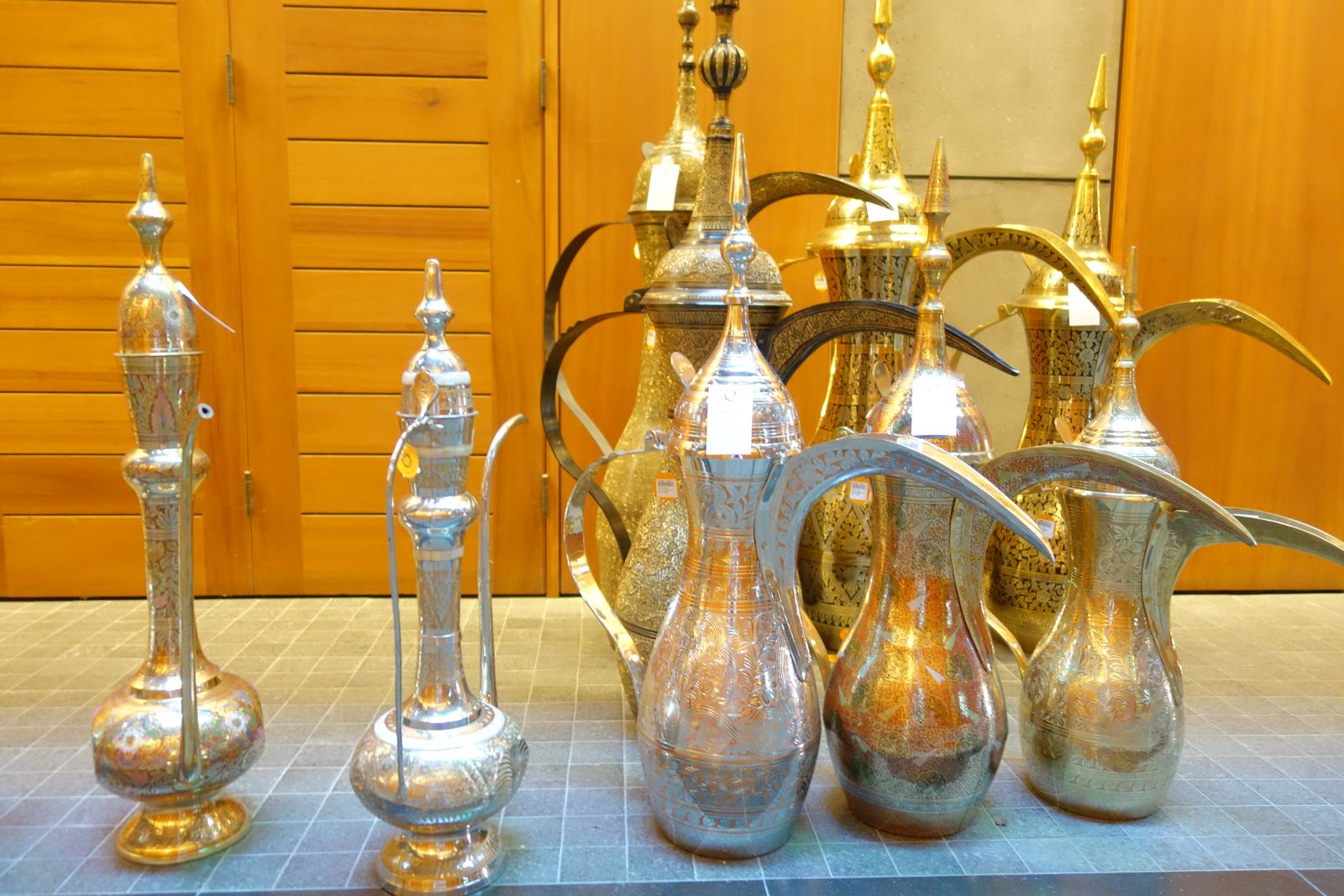
Arabic coffee from a dallah: Abdulla Al Muhairi, CC BY 2.0
The taste of welcome
In the Gulf, a guest is offered Arabic coffee almost before they sit down. Called qahwa, it is made from lightly roasted Arabica beans, usually spiced with cardamom and sometimes saffron or cloves. It is light in colour, fragrant and bitter, and it is normally served without sugar.
The bitterness is balanced with sweet dates on the side, a pairing that is part of hospitality across the region.
The ritual
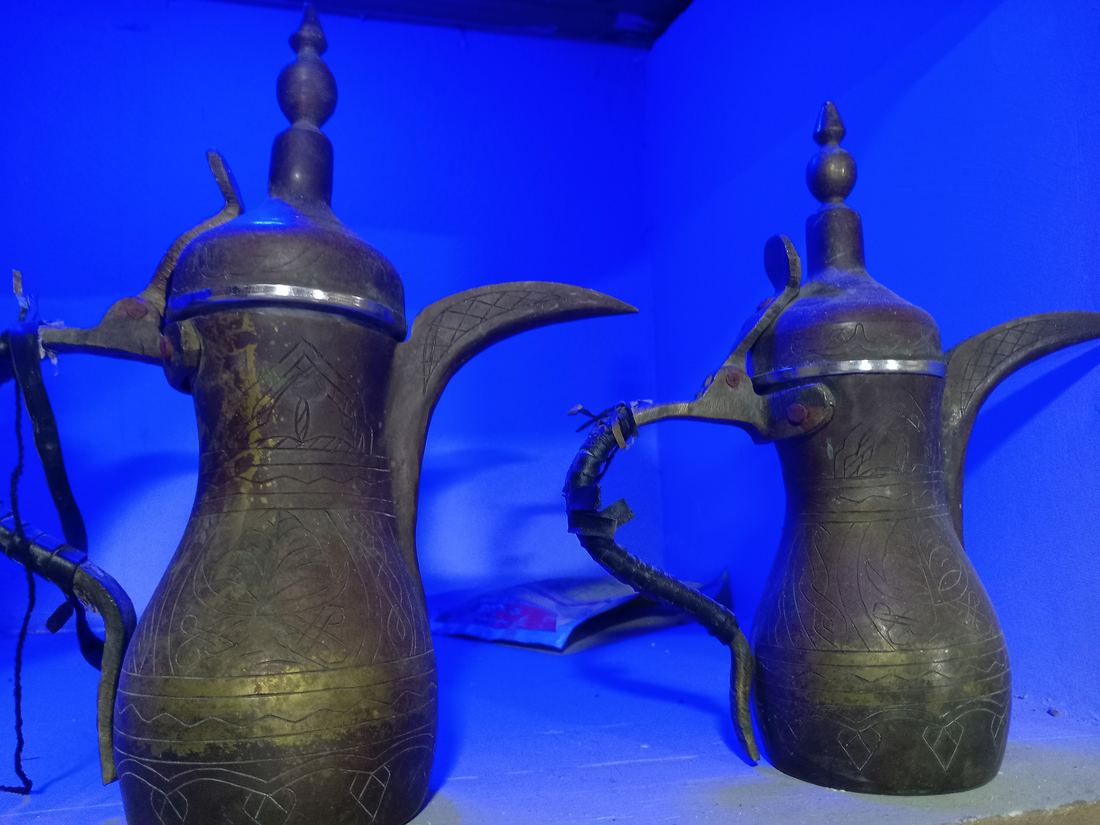
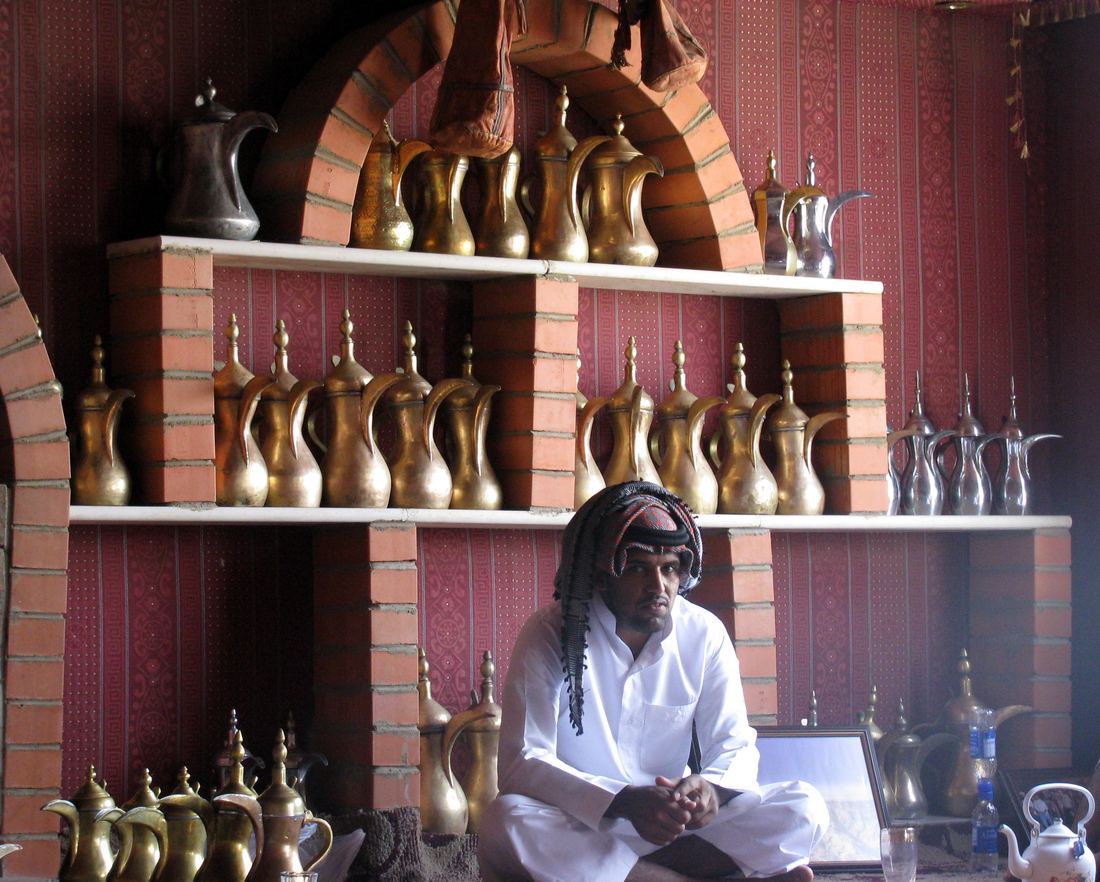
Qahwa is poured from a dallah, a pot with a long curved spout, into a finjan, a small cup without a handle. The host pours only a little into each cup, and refills it as often as the guest likes.
A common custom is to gently shake the empty cup from side to side when you have had enough. Until then, your host will keep pouring. Arabic coffee is recognised by UNESCO as intangible cultural heritage, a symbol of generosity.
Where coffee began
Coffee drinking spread from Yemen, where the port of Mocha gave its name to a style of coffee, across Arabia and on to the rest of the world. The English word coffee itself traces back to the Arabic qahwa.
Sharing qahwa with someone special is one of the simplest romantic gestures in Arab culture: slow, warm and generous.
Making qahwa at home
To make a simple version at home, lightly roast green Arabica beans until they are pale golden, then grind them and boil them gently in water. Add crushed cardamom near the end, and saffron if you like, then let the grounds settle before pouring.
Every family and region has its own recipe. Some prefer a lighter roast and more cardamom, others add cloves or rose water. The coffee should be fragrant and pale, quite different from dark espresso.
Serve it hot in small cups with fresh dates. Pour for your guests first, keep refilling until they shake their cups, and you will have recreated one of the most loved rituals of Arab hospitality.